
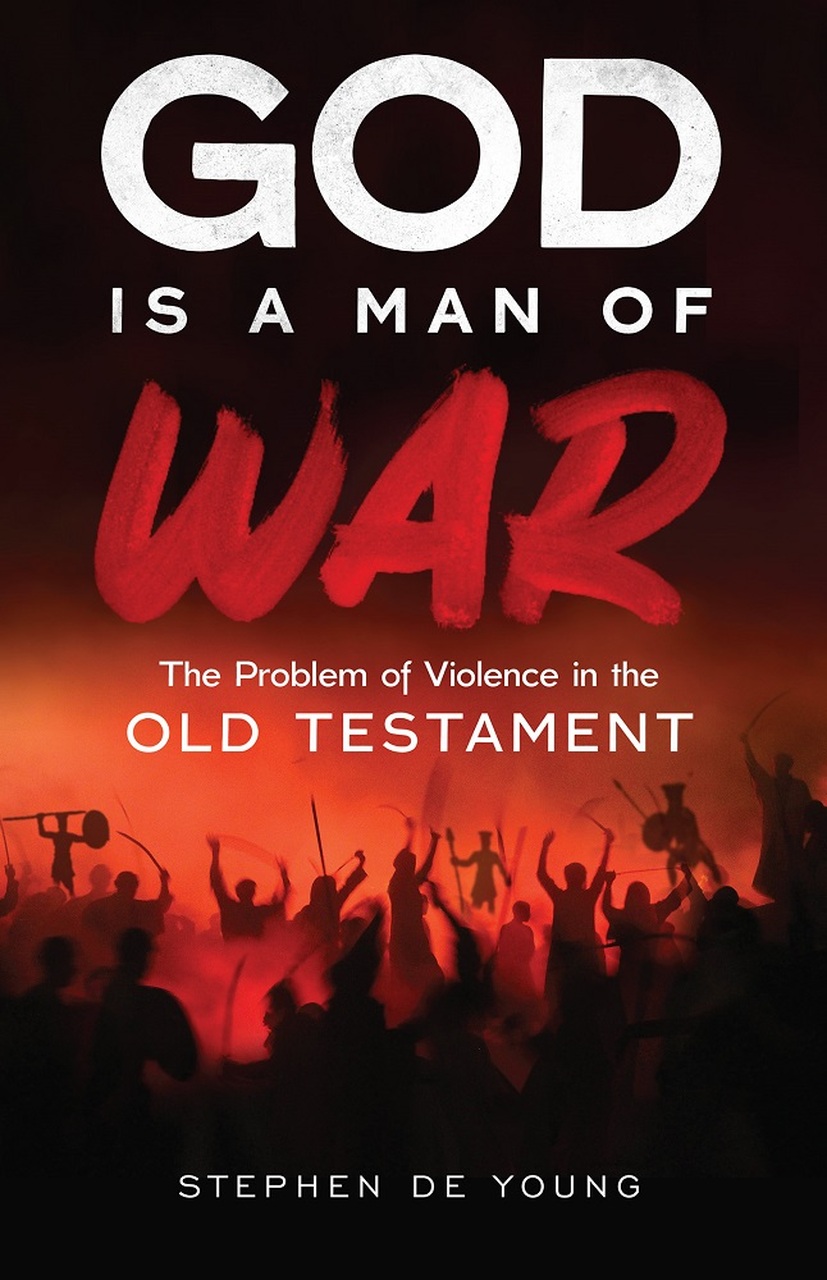
“We do not wrestle against flesh and blood, but against the rulers, against authorities, against the spiritual powers over this present darkness against the spiritual forces of evil in the heavenly places.” (Eph. 6:12). This is the writing from St. Paul which we as Orthodox Christians greatly take to heart when evaluating our strategy for personal struggles in our lives. To many within and without the Church, a puzzle arises when considering the operations of God throughout the Old Testament. While growing up, I used to comfort myself with the thought that God was taking the time to show ancient humanity who He was in the literal sense because we otherwise would miss the subtle connections when Christ came into the world, taking on our human nature as His. However, a book I have recently read (shown at right) has brought a more stark, lurking truth to the forefront. Not only are the Scriptures the same, from the Old Testament to the New, but God is the same in both scriptures. How then can this be possible? How can we reconcile the thought that God’s involvement in the apparent violence of ancient history is the same as His love and care for healing others as Christ does? The central theme throughout “God is a Man of War: the Problem of Violence in the Old Testament” reveals an answer by outlining and realigning our reading to the concept of God’s Divine Justice.
Before any further comments, there is one editing suggestion I and other members of the parish I attend would make. God is not a Man of War, per se, and to have the title of this book retain such a statement is to make room for a bold, inaccurate sentiment that God actively seeks our destruction even now that Christ has come. The arguments of the very book say otherwise, so while this title does appeal to a broad audience, it may set off a narrowing, negative view of God that was not otherwise intended. To me, it accepts the colloquial thought it aims to disprove, which is contradictory and problematic. The work may benefit from a more Socratic approach to the title by possibly re-phrasing it as a question: “IS God a Man of War?” This would open a straighter pathway to the subsequent subtitle. Having said this, the author has nevertheless offered a rich commentary.
It must be understood that our colloquial perception of judgement has to do with what author Fr. Stephen DeYoung calls retributive justice and punishment for crimes committed. In agreement, observation has revealed that to judge in today’s times often equates to condemnation. How often has a social issue come up whereby an individual participant says, “Do not judge me” in the same breath that they think “You do not have the right to hate me”? Indeed, today’s Oxford English Dictionary lists the fourth definition of judgement as the famous idiom, “to sit in judgement of someone, particularly when one has no right to do so”. Fr. DeYoung aims to correct the grave pigeon-holing this misinterpretation brings by saying that Hebrew and Egyptian cultures of the Bronze and Iron ages held justice, and therefore the act of judgement, as a result, “a place and time where all things exist in their proper place and relationship to one another”. Thus, judgement is not the same as condemnation, as Christ distinguishes when He asks us to do neither of those things so that either of the same may not happen to us all the sooner, excepting the Last and Final Judgement.
Personally, I appreciate the effort that this author took in outlining the cultural filters we need to bear in mind when reading the Old Testament. It is not fair for us as adult readers of Scripture to assume a modernist lens when viewing ancient concepts. To do so will result in a misunderstanding of the message we are meant to hear, that God is the Avenger of the orphan and the widow, the Opposer of the proud, and that He identifies with the powerless and poor. Which is why it becomes even more powerful when God becomes incarnate in a lowly state, “in conditions rendering Him subject to suspicion”, “homeless and dependent on the hospitality of others”, all important thoughts to carry with us as we enter the Christmas season. This makes all the fulfillment and healing in the New Testament a continuation of God’s promise in the battle He wages to restore humanity to participating in His creation and being with Him. Healing is in this sense, the weapon of choice of God’s justice, and we are all commanded to use healing and love in our own spiritual battles to find our right place in God’s creation. We are left to create a state of blessing instead of one with discord and death by participating in the Divine Justice and leave the final execution of that Justice to Whom it belongs.
Despite the present issues with the title, I highly recommend a read of this book. I found the frame-shift in reading the Old Testament very helpful in understanding many mental hang-ups in prior reads of the Scriptures.
 SunflowersWords